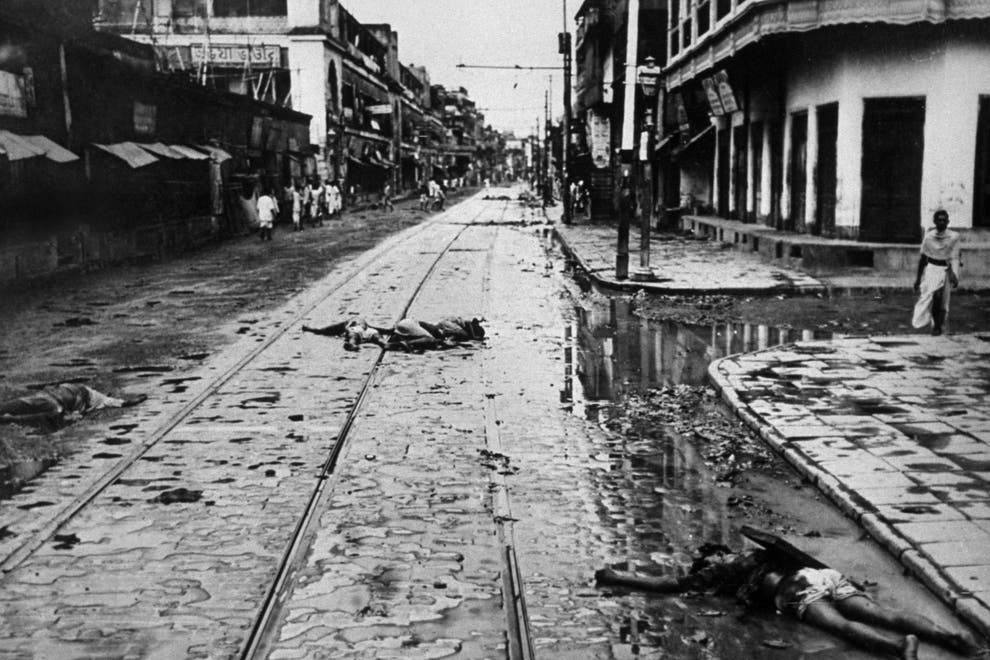
Partition Series, part 1
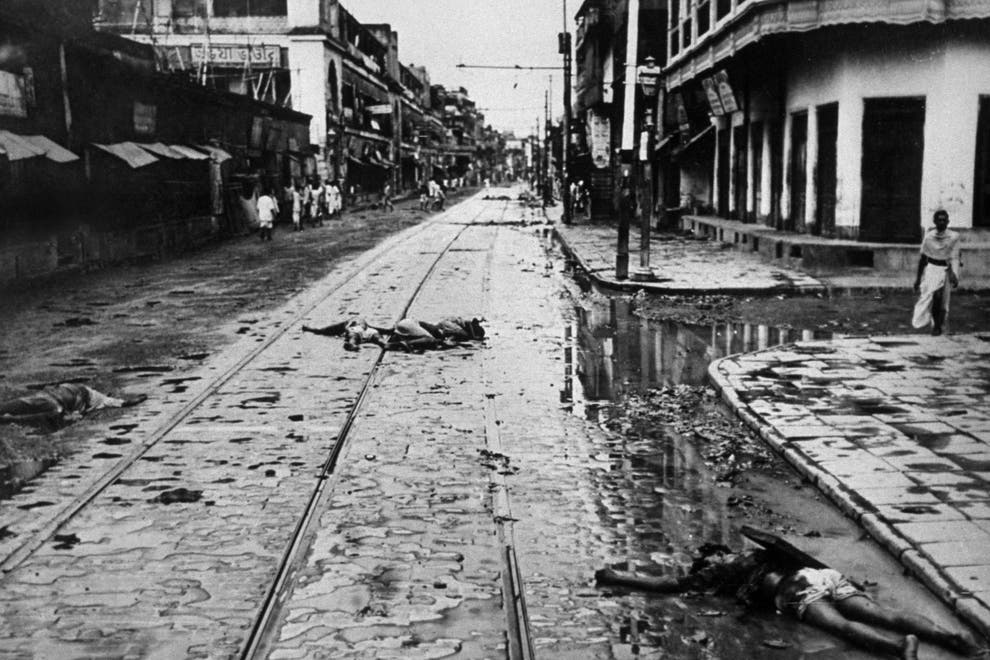
Partition. Division into parts.
The mere utterance of the word ‘partition’ carries with it an undeniable weight of profound sadness, doesn’t it?
Though I imagine that the answer to my question for some people would be ‘no’, and that would be enough to show that our histories perhaps diverge in the associations with the term. For some, it’s just another word in the dictionary. But for some, the word unveils a somber narrative.
For me and perhaps for those who share a similar history as mine, this word is laden with a negative connotation, transcending beyond a mere lexical definition. It’s intertwined with our identity, our personal history, and the collective story of our community. In our case, the word traces its origins in the haunting echoes of the 1947 Partition of the Indian subcontinent.
Yet, I know that my community is not solitary in bearing the weight of a negative association with this term. Countless individuals and communities across the globe share a similar connection to the echoes of partition. Consider the people of Yugoslavia, who were torn apart by the rise of ethno-nationalism, or those in the Middle East and Africa, whose lives were shaped by arbitrary boundaries drawn on the map by their oppressors, leaving their identities, homes and communities severed. From the Korean peninsula, divided into two nations by global powers (not Koreans themselves, you guessed it), to the historical struggles of Latin America, where colonizers erased identities and imposed divisions, the resonance of ‘partition’ extends far and wide around the world. The impact of partitions even affects the Western European colonizers, where they, too, have faced partitions on spatial, religious or other grounds. The history of Ireland or the struggles of the Catalan independence movement in Spain being a few examples.
Partitions around the world have happened on the grounds of any conceivable factor or categorizations we humans love creating – be it religious, racial, caste-based or simply “cultural differences”, among other myriad of others.
It’s not a stretch to say that a significant number of these partitions have been painful for one side or the other. They have frequently brought about violence, hatred, the reinforcement of the concept of “otherness,” and rifts between people that perhaps did not or should not exist. In many instances, the prioritization of sub-identities has overshadowed the common identity of being a human, forcing people to abandon accepting humanness of the “other” side. I would not be doing justice by writing this blog under the “Current Affairs” tab without mentioning how the ongoing war between Israel and Palestine serves to underscore my point above.
The irony which frustrates me lies in the historical awareness of the pain and violence caused by such partitions yet people continuing to justify them.
Shouldn’t the universality of the knowledge and experience of painful partitions ought to serve as a binding force that compels us to reflect on the shared threads that connect all of humanity.
The universality of this experience ought to make us question why divisions and partitions persist as go-to solutions for managing conflicts between people. It ought to propel us to explore alternative, more constructive approaches to conflict resolution. Even if we possibly find logical justifications for the use of divisions and partitions, we should implement it without perpetuating hatred for the “other” side involved and avoid violence that accompanies such divisions. Yet, I don’t believe we have concrete measures and mechanisms that guarantee peaceful partitions, which should ring a bell in our minds and raise doubts on whether perpetuating divisions are ever the solution to effectively manage or solve conflicts.
Yes, there always have been and continue to be people across the globe doing commendable work towards finding peaceful means. Their collective effort to foster understanding and unity is a testament to the shared desire of many of us for a more harmonious world. However, there are still many people who continue to justify resorting to partitions, violence, and hatred as methods for conflict resolution. Many still rely on inventing or holding onto trivial distinctions between humans (religion being one), amplifying them unnecessarily, and subsequently rationalize divisions based on such differences.
This leads me to my concluding observation about particularly India’s concerning trend towards resurgence of divisions based on religion, as if the lessons of the past 77 years have faded from our collective memory. One could argue whether it’s really a resurgence or if such divisions are just more prominently highlighted now.
Whatever it may be, I believe religion gaining prominence at the expense of other sub-identities and shared commonalities carries the risk of evolving into new forms of partitions. Such partitions whether they are strictly territorial or not are likely going to be marked by violence and civil unrest, and thus threatening the stability and democratic fabric of the nation. Any jeopardy to the stability of a diverse and intricate society like India holds the capacity to unleash an unprecedented scale of civil unrest and violence that may not be manageable.
Hence, there is a pressing need to amplify efforts in raising awareness about the ineffectiveness of relying on differences in religious identities or other distinctions for ensuring peace and managing conflicts between communities. It is important to channel our efforts into developing a more nuanced and inclusive approach to conflict resolution that transcends such divisive distinctions.
I believe the foundation of raising such awareness begins with a concrete realization of the historical shortcomings of partitions observed in one’s communal history, with a commitment to preventing a recurrence of those pitfalls. In the current context of religious turmoil in India, we need not look beyond the lessons of the 1947 Partition to understand that religious divisions do not guarantee peace and harmony.

 Anushka Das
Leave a reply to Partitions: a need to shift our perspectives – Anushka Das Cancel reply